Civil Engineering
AI-driven structural health monitoring and climate-resilient infrastructure design.
41st Indian Engineering Congress · 2026
Where intelligent systems meet responsible engineering — shaping infrastructure, industry and society for a resilient tomorrow.
The Congress Theme
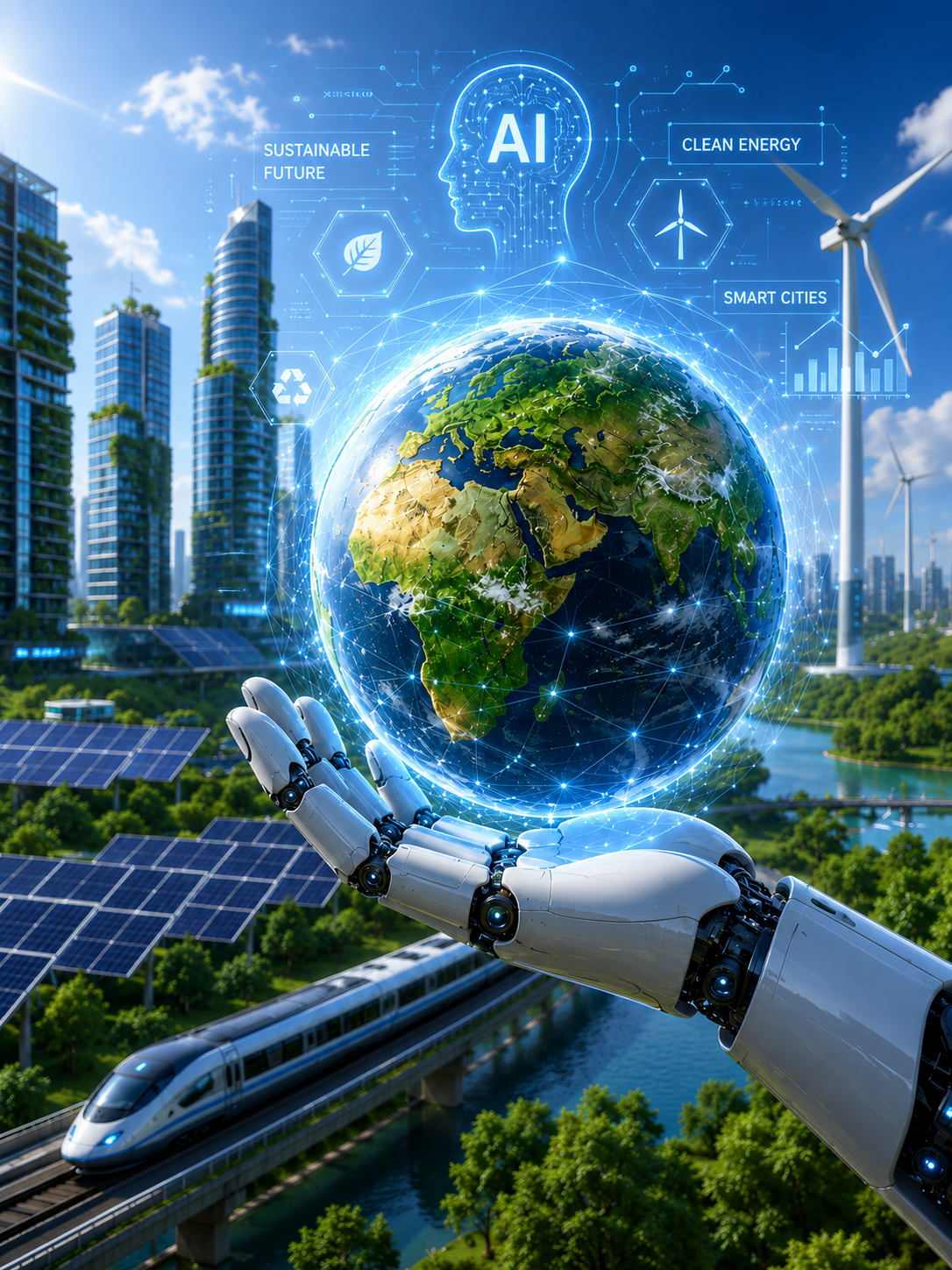
Artificial Intelligence is no longer a distant horizon for engineering — it is a working tool for design, prediction, optimisation and decision-making across every built and natural system. At the same time, the urgency of climate action, resource stewardship and inclusive growth demands that every innovation be measured by its contribution to sustainable development.
The 41st Indian Engineering Congress invites practitioners, researchers and industry leaders to explore how applied AI can accelerate cleaner energy, safer infrastructure, circular manufacturing, climate-resilient agriculture and smarter cities — without losing sight of ethics, equity and engineering rigour. Across IEI’s fifteen disciplines, the theme opens a shared conversation: how do we build a future that is both intelligent and sustainable?
Across 15 disciplines
Each IEI division brings a distinct AI lens to sustainable development. Explore the angles that will shape technical sessions at Hyderabad.
AI-driven structural health monitoring and climate-resilient infrastructure design.
Predictive maintenance and energy-efficient mechatronic systems for green industry.
Smart grids, demand forecasting and AI-optimised renewable energy integration.
Low-power IoT sensing networks enabling real-time environmental intelligence.
Responsible ML models for sustainable decision systems and digital twins.
Process optimisation and AI-guided pathways to cleaner, circular production.
Flight-path efficiency, lightweight design and sustainable aviation analytics.
Precision farming, yield prediction and water-smart irrigation intelligence.
Generative design for net-zero buildings and human-centred sustainable spaces.
AI for pollution forecasting, waste valorisation and ecosystem restoration.
Autonomous vessels, ocean monitoring and greener maritime logistics.
Materials discovery and lifecycle intelligence for low-carbon alloys.
Safer extraction, resource mapping and AI-assisted mine rehabilitation.
Smart factories, zero-defect lines and resource-efficient manufacturing.
Sustainable fibre innovation and AI quality control for circular fashion.